

 |


TVC0011
| Quantity: | |
|---|---|
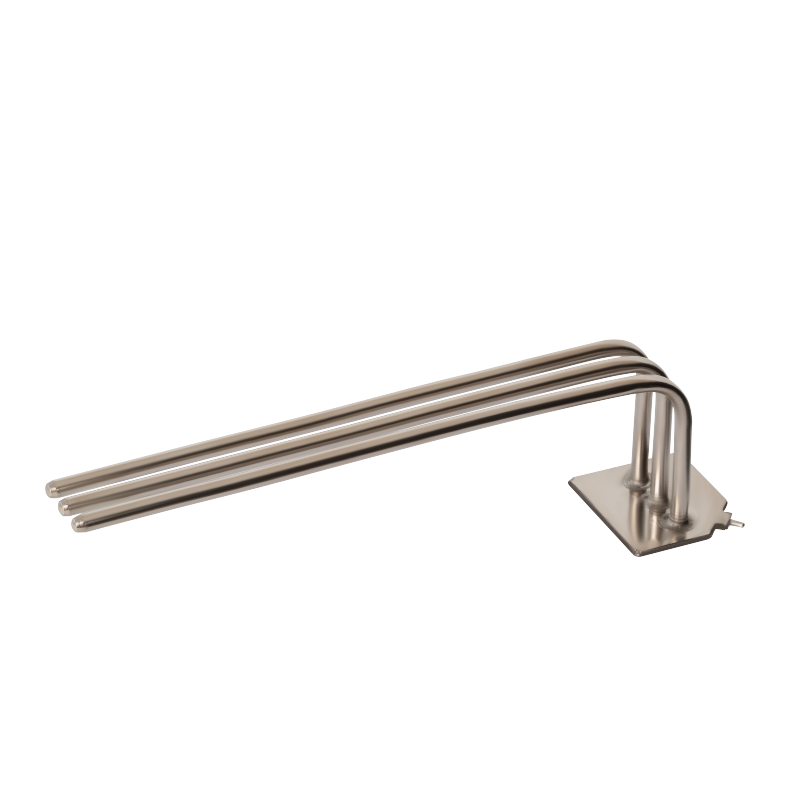
High-speed coherent optical modules: Suitable for 400G/800G and higher-rate coherent optical transceiver modules
Telecommunications transmission equipment: Internal modules of high-performance optical transmission equipment such as metro WDM and long-haul backbone systems
Data center interconnect: Thermal management for high-speed optical interconnect modules between data centers
5G fronthaul/midhaul: Meets thermal requirements for high-density, compact optical modules
Extremely limited space: Internal space of standard optical module sizes (e.g., QSFP-DD, OSFP) is restricted, making traditional cooling solutions difficult to deploy
Extremely high heat flux density: Core components such as DSP chips and lasers have heat flux densities exceeding 100W/cm²
Stringent reliability requirements: Equipment must operate continuously 7×24 hours in harsh environments, imposing extremely high requirements for long-term reliability of thermal solutions
Planar heat sinks cannot fully utilize module side space
Traditional heat pipe layouts are limited by installation orientation
Metal surface oxidation affects long-term thermal contact performance
Cannot meet the cooling demands of next-generation coherent optical modules
Our solution employs a composite thermal architecture combining three-dimensional vapor chamber technology with precision-bent heat pipes:
Breaks through space limitations: Achieves efficient lateral conduction of heat from module center to peripheral edges through precision-bent heat pipe design
Maximizes cooling surface area: Fully utilizes the entire available surface area of optical module housings
Directional thermal management: Optimizes targeted cooling for different heat sources such as DSP chips and lasers
Rapid thermal diffusion: Achieves efficient heat conduction in the thickness direction, quickly reducing hotspot temperatures
Temperature homogenization: Ensures all components within the module operate within optimal temperature ranges
Structural integration: Seamlessly integrates with bent heat pipes to form a complete cooling system
Excellent corrosion resistance: Suitable for various environmental conditions, extending product service life
Optimized thermal contact: Improves interfacial thermal resistance, enhancing overall cooling efficiency
Good soldering compatibility: Facilitates modular assembly and maintenance
Computational Fluid Dynamics (CFD) simulation: Optimizes airflow paths and cooling structure through CFD analysis
Thermal resistance network modeling: Precisely predicts temperature distribution at various nodes within the module
Reliability verification testing: Comprehensive testing including thermal cycling, vibration testing, and long-term aging tests
Increased transmission rates: Stable thermal environment ensures DSP chips operate at optimal state
Extended component lifespan: Lower operating temperatures can extend laser and electronic component lifespan by over 30%
Enhanced system stability: Reduces bit errors and system restarts caused by overheating
Supports higher integration: Enables more functionality and higher performance within the same form factor
Simplifies thermal design: Provides complete cooling solution, reducing customer development cycles
Adapts to different standards: Can be optimized for various standards including QSFP-DD, OSFP
Accelerated time-to-market: Mature cooling platform shortens development time by 3-6 months
Reduced system costs: Efficient cooling reduces dependence on cooling systems
Enhanced product differentiation: Advanced cooling technology becomes a key product differentiator
Q:Do you have your own brand? A:Yes. Our brand name is GREATMINDS. |
Q:Are you a manufacture or trading company? A:We design and produce thermal products by ourselves. |
Q:Where is your plant? A:We have two plants. One is at Suzhou in eastern China, and the other is at Dongguan in southern China. |
Q:What thermal products do you supply? A:We have heatsink, fan, heapipe, vapor chamber, liquid cooling solution, and so on. |
Q:Which types of heatsinks do you supply? A:Our products cover many processes, extrusion, die casting, skived fin, zipper fin, soldering,friction stir welding, vaccum brazing, and so on. |
Q:What is the leadtime for prototype? A:It depends on different type of products. Usually it takes 2-3 weeks. |
Q:Do you have a NPI process in your company? A:Yes. Tooling samples and trial run will be strictly implemented before mass production. |
Q:What capabilities do you have in your plant? A:We have stamping, machining, and soldering production in house. |


